By Sri Gangadhareshwara Seva Trust · Published March 2025 · Updated June 2026
Quick answer
The deities, pillars, and panels of Kailasagiri Cave Temple were created under master sculptor Late Sri S.M. Ganapathi Stapathi. Working in the Chola-Pallava tradition and guided by the Shilpa Shastras, he and his artisans hand-carved every figure directly from rock, giving the cave temple its scripturally exact, time-honoured form.
Who was Late Sri S.M. Ganapathi Stapathi?
When the Sri Gangadhareshwara Seva Trust set out in 1994 to turn a hillside vision into a true Shiva temple, it needed more than labour — it needed a master who understood sacred form. That master was Late Sri S.M. Ganapathi Stapathi, appointed as chief sculptor and architect of the project.
A stapathi (or sthapati) is not simply a stonemason. In the Indian tradition he is the chief temple architect-sculptor, the one who holds the entire design in his mind, sets out the proportions of the shrines, and ensures that every image is fit for worship. Under his direction the humble early shelter at Kavalaganahalli grew into a planned system of interconnected caves.
What is the Chola-Pallava sculptural tradition?
The Chola-Pallava tradition is one of the great lineages of South Indian temple art. The Pallava dynasty pioneered the rock-cut shrine — carving entire temples directly out of living stone, as seen in the famous monuments of Mahabalipuram. The Chola dynasty that followed refined the art of the stone and bronze deity to extraordinary heights, producing images of gods that are at once majestic and serene.
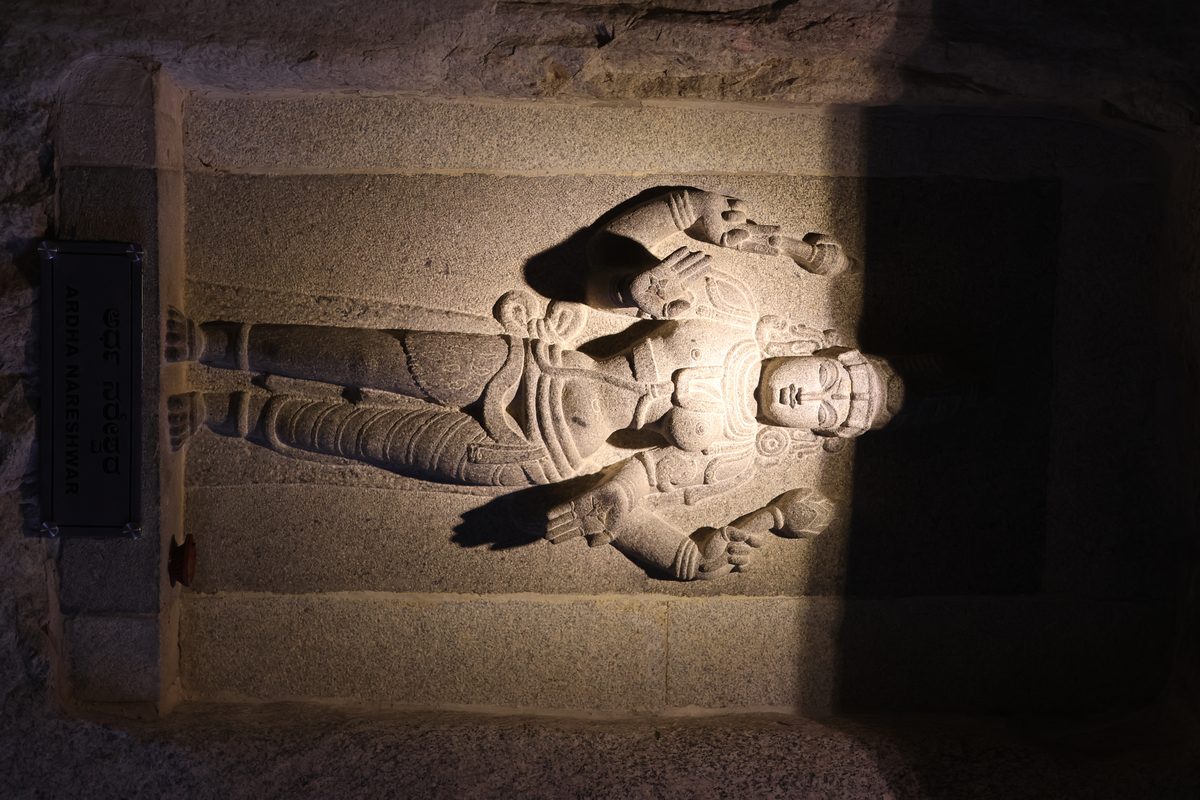
To work in this tradition is to inherit rules worked out over more than a thousand years: how a figure should stand, where the weight should fall, how many arms a deity bears and what each hand should hold. At Kailasagiri, this inheritance is what allows a newly carved Nataraja or Ardhanareeshwara to feel as though it has always belonged in the rock. You can see many of these forms on the temple architecture page.
How do the Shilpa Shastras guide the carving?
The Shilpa Shastras are the ancient Indian treatises on art and image-making. They lay down the canon of proportions — the relationship of head to body, the span of the arms, the precise gestures (mudras) and ornaments appropriate to each deity. A sculpture made according to these texts is not only beautiful; it is ritually correct, and therefore fit to receive the divine presence during consecration.
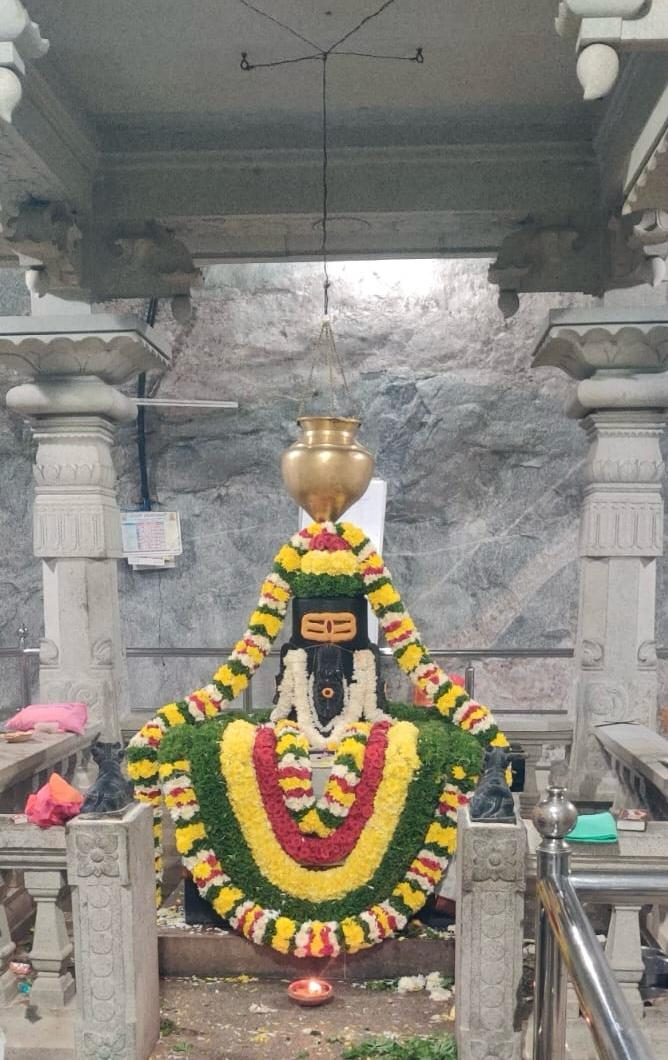
This is why the deities of Kailasagiri can be installed and worshipped according to Agamic ritual. The form prescribed by scripture, the tradition handed down through the Chola-Pallava lineage, and the skill of the stapathi all come together so that the stone becomes a true seat for the divine. The principal deities — Chaturmukha Lingeshwara Swamy and Goddess Jagadambe — were consecrated in 1996, as recorded in the temple history timeline.
Carving every deity and pillar by hand from rock
What makes Kailasagiri so remarkable is the sheer scale of patient handwork. Across more than 20,000 square feet of cave, the nine consecrated deities — along with the pillars, ceilings, and relief panels that surround them — were carved directly from the rock. There is no casting and no shortcut; each form emerges chisel-stroke by chisel-stroke from the stone itself.
This is the same spirit that animated the ancient cave temples of Ajanta, Ellora, and Mahabalipuram, brought into the present day. It is widely regarded as the largest man-made cave temple built anywhere in the world in the last 1,000 years. To see this craftsmanship for yourself, explore the photo gallery or plan a visit.
Frequently asked questions
Who carved the deities at Kailasagiri Cave Temple?
The deities, pillars, and panels at Kailasagiri were carved under master sculptor Late Sri S.M. Ganapathi Stapathi, who was appointed chief sculptor and architect after the Sri Gangadhareshwara Seva Trust was established in 1994. He worked in the Chola-Pallava sculptural tradition.
What is the Chola-Pallava sculptural tradition?
The Chola-Pallava tradition is a lineage of South Indian temple art associated with the Pallava and Chola dynasties, known for rock-cut shrines and finely proportioned stone deities. It governs how figures of gods are shaped, posed, and ornamented according to scripture.
What are the Shilpa Shastras?
The Shilpa Shastras are ancient Indian treatises on art and sculpture. They prescribe the proportions, postures, gestures, and ornaments for images of deities, so that a temple sculpture is not only beautiful but also ritually correct and fit for worship.